Globalisation and Online Tournaments – New Perspectives for Esports Analysis


Globalisation and Online Tournaments – New Perspectives for Esports Analysis
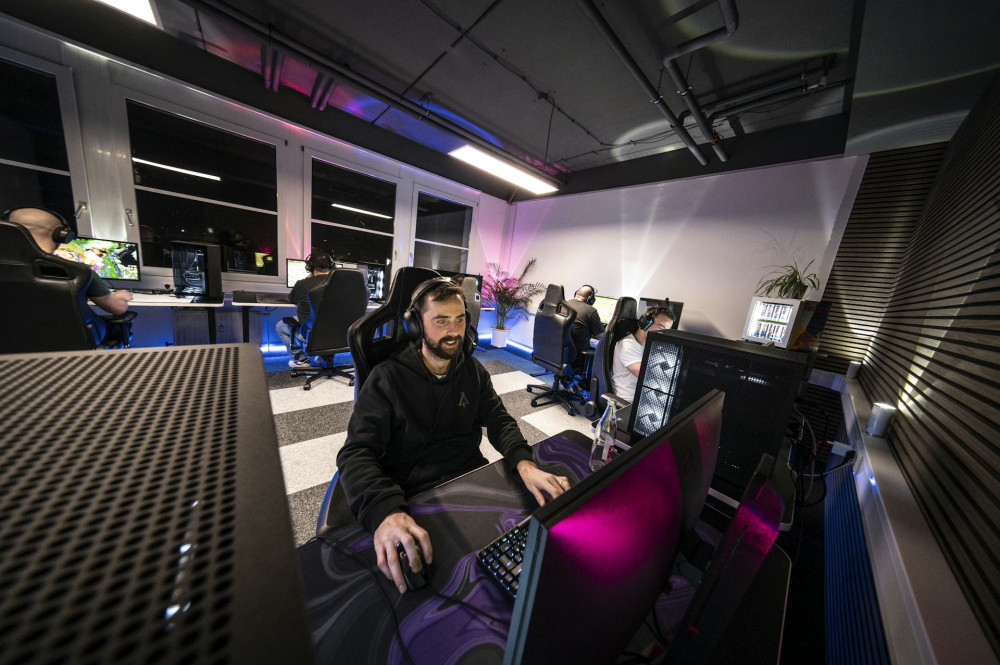
In just a few years, esports has evolved from small local LAN events into a global phenomenon connecting players, teams, and fans across continents. The rise of online tournaments and rapid technological progress have not only transformed how competitions are organised but also opened new possibilities for analysing gameplay, performance, and audience behaviour. Globalisation has turned esports into a digital ecosystem where data, culture, and strategy constantly interact and reshape one another.
From Local Arenas to Global Networks
In the early days, esports competitions were tied to physical venues – gaming cafés, conventions, and small arenas. Today, a player in Sydney can face an opponent in Los Angeles or Seoul in real time. This shift has made esports more accessible but also more complex. Differences in internet infrastructure, time zones, and regional playstyles influence both the dynamics of the game and the way it is analysed.
For analysts, this means looking beyond individual performance to consider how global factors shape outcomes. How does a team manage fatigue when competing across time zones? How do strategies evolve when the game’s meta develops differently in Asia, Europe, and Oceania? These questions have become central to modern esports analysis.
Data as the Driving Force of Understanding
Online tournaments generate vast amounts of data – from in-game movements and communication patterns to viewer statistics and social engagement. This data provides analysts with an unprecedented opportunity to understand the game on a deeper level. Through machine learning and advanced statistical models, analysts can uncover patterns that were once invisible: which strategies yield the highest success rates, how players respond under pressure, and how team dynamics shift over time.
However, globalisation also challenges how data is interpreted. An aggressive playstyle in South Korea may carry a different cultural and tactical meaning than in Australia or North America. Effective esports analysis therefore requires not only technical expertise but also cultural awareness and contextual understanding.
New Forms of Community and Competition
Globalisation has transformed how fans engage with esports. Online tournaments allow millions to watch live, regardless of location. Streaming platforms such as Twitch and YouTube have created a global community where fans can interact directly with players, commentators, and each other. In Australia, where time zones often place major international finals in the early morning, dedicated fans still gather online or in local gaming bars to share the experience – a testament to the global reach of the scene.
For analysts and organisations, audience data – chat activity, viewership trends, and engagement metrics – has become a vital part of the esports ecosystem. It’s no longer just about who wins, but also about how the experience is shared, interpreted, and celebrated across cultures.
Læs også:



The Future of Esports Analysis – Global, Digital, and Human
The future of esports analysis lies at the intersection of technology and human insight. Artificial intelligence can predict outcomes and identify patterns, but human intuition remains essential for understanding why a team chooses a particular strategy or how psychology influences performance.
For Australia, with its growing esports infrastructure and strong ties to both Asian and Western gaming markets, this global perspective is particularly relevant. Analysts, teams, and fans alike are part of a worldwide network where data, culture, and creativity converge.
Globalisation ensures that esports can no longer be viewed as a local or isolated activity. It is a global network of players, fans, data, and culture – and analysing it requires a similarly global mindset. The modern esports analyst is therefore not just a data expert but also a cultural interpreter, capable of connecting technology, strategy, and human behaviour in a truly international arena.
Læs også: