Realistic Expectations: How to Use Odds Understanding in Ice Hockey Betting


Realistic Expectations: How to Use Odds Understanding in Ice Hockey Betting
Ice hockey is one of the most unpredictable sports to bet on. A single power play, a hot goaltender, or a last-minute comeback can completely change the outcome. That’s why understanding how odds work – and how to use that understanding to set realistic expectations – is essential. This article will guide you through the key principles of odds interpretation so you can make more informed decisions when betting on ice hockey.
What Odds Really Tell You
Odds represent the bookmaker’s assessment of how likely a certain outcome is. The lower the odds, the higher the perceived probability – and vice versa. But odds are not just about probability; they also reflect market movements and betting behaviour.
For example, decimal odds of 2.00 theoretically suggest a 50% chance of an outcome occurring. In practice, however, bookmakers include a margin to ensure profit, meaning the true probability is slightly lower. This means you’re not betting against “truth,” but against a calculated estimate that includes the bookmaker’s edge.
Recognising this is the first step toward setting realistic expectations: you can’t predict everything, but you can learn to identify when an odd offers genuine value.
The Unique Dynamics of Ice Hockey
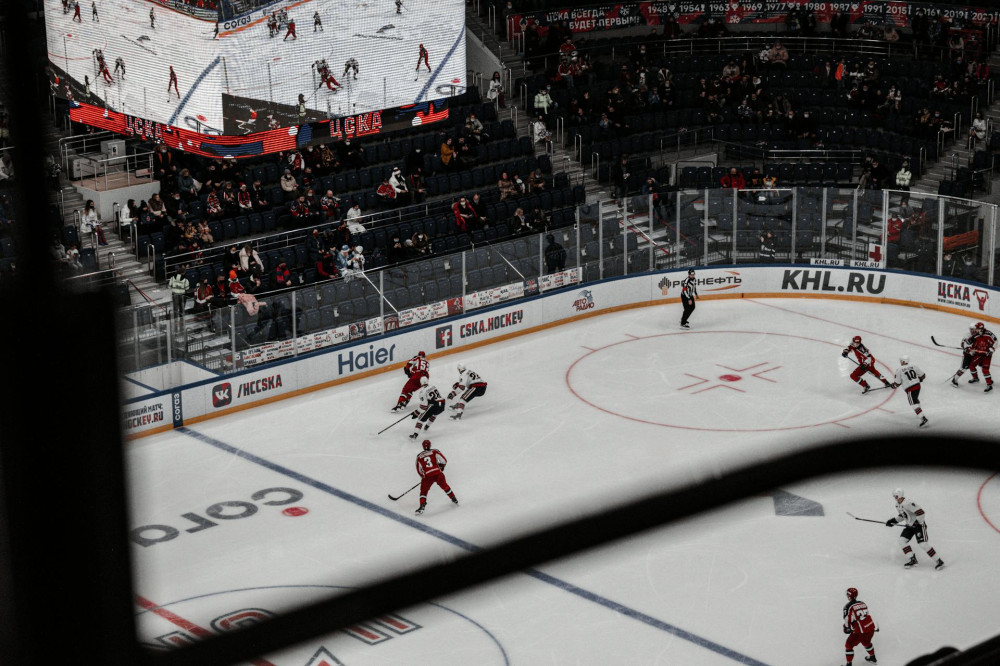
Ice hockey stands apart from many other sports because of its speed, intensity, and relatively low scoring. A single goal can decide a game, and luck often plays a bigger role than in sports like football or basketball. Even strong favourites can lose, and “sure bets” are rare.
When assessing a game, consider factors such as:
- Goaltender performance: A standout goalie can completely change the game.
- Special teams: Power plays and penalty kills often determine momentum.
- Scheduling and fatigue: Teams playing multiple games in a short span tend to perform worse.
- Travel and time zones: Especially in the NHL, long road trips can affect energy and focus.
Understanding how these elements influence outcomes helps you judge whether the odds truly reflect reality – or if there’s hidden value to be found.
Læs også:




Value Over Luck
One of the most important concepts in betting is value. A bet has value when your estimated probability of an outcome is higher than the bookmaker’s implied probability. This doesn’t mean you’ll win every time – but over the long run, value betting leads to better results.
For example, if you believe a team has a 60% chance to win, but the bookmaker’s odds imply only a 50% chance, you’ve found value. Over time, consistently identifying such opportunities can yield a positive return.
Finding value requires both knowledge and patience. It’s not about chasing big wins, but about making many small, well-reasoned decisions that add up over time.
Realistic Expectations and Bankroll Management
Even the best bettors lose sometimes. That’s why it’s crucial to have realistic expectations about how much you can win – and how much you can afford to lose. Many experienced bettors recommend staking a fixed percentage of your bankroll (your total betting funds) per wager, typically between 1–3%. This approach helps protect your balance from being wiped out by a few unlucky results.
It’s also important to accept that variance – the role of chance – is significant in ice hockey. You can make the right call and still lose because a puck hits the post instead of the net. That doesn’t mean your analysis was wrong; it’s simply part of the sport’s unpredictable nature.
Keeping a cool head and focusing on the process rather than individual outcomes is key to long-term success.
Using Statistics Wisely
Ice hockey offers a wealth of data: shots on goal, faceoff percentages, expected goals (xG), save percentages, and more. Statistics can be powerful tools, but they must be used with context. A team with many shots isn’t necessarily dominant if most of those shots come from poor angles. Likewise, a team with low xG can still win if their goalie is in top form.
Use statistics to support your judgment – not replace it. Combine numbers with context such as form, motivation, injuries, and the importance of the match. This balanced approach gives you a clearer picture and helps you assess whether an odd is realistic.
When Betting Is a Hobby – Not a Chase
For many Australians, betting adds excitement to watching sport. It can be fun and engaging when done responsibly. The key is to treat it as a hobby, not a shortcut to profit.
Set limits on how much you bet and how often. Take breaks if you feel betting is taking up too much of your attention. And remember, even the best understanding of odds can’t eliminate the element of chance.
Having realistic expectations doesn’t mean lowering your ambitions – it means betting smarter, more disciplined, and with respect for the game’s unpredictability.
Conclusion: Understand the Odds – Understand Yourself
Using odds understanding in ice hockey betting is ultimately about combining knowledge, analysis, and self-awareness. It’s about looking beyond quick wins and focusing on long-term strategy and responsible play.
When you understand what odds truly represent – and what they don’t – you’re better equipped to make decisions that are both realistic and sustainable. Betting then becomes more than just a wager; it becomes a way to engage deeply with the sport, appreciating both its unpredictability and your own boundaries.
Læs også: