The Role of the Media: How Coverage Has Changed the Audience’s Experience of Horse Racing

The Role of the Media: How Coverage Has Changed the Audience’s Experience of Horse Racing
Horse racing has long been part of Australia’s sporting identity – a blend of tradition, competition, and spectacle. Yet the way Australians experience the races has evolved dramatically alongside the media that cover them. From newspaper columns and radio commentaries to live television broadcasts and social media streams, the media have shaped not only how people watch the races but also how they understand and engage with the sport. Today, horse racing is as much a media event as it is a sporting one, with the audience’s experience increasingly defined by screens, data, and digital interaction.
From the grandstand to the living room
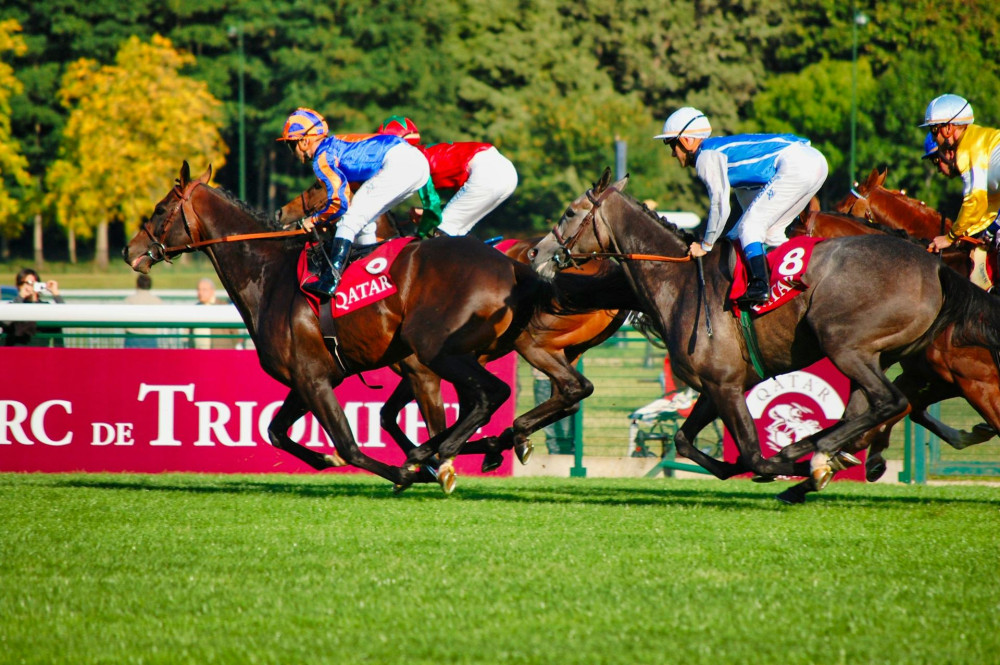
In the early decades of the 20th century, horse racing was an event to be witnessed in person. Crowds gathered at Flemington, Randwick, and other iconic tracks to feel the thunder of hooves and the roar of the crowd. Newspapers reported results and offered colourful descriptions, but the essence of the race was reserved for those who were there. The arrival of radio changed that. Suddenly, Australians could follow the Melbourne Cup from their living rooms or local pubs, guided by the excitement in the commentator’s voice.
Television took this transformation further. From the 1960s onwards, televised coverage brought the drama of the track into homes across the country. Slow-motion replays, close-up shots, and expert commentary turned the races into shared national moments. The Melbourne Cup became “the race that stops a nation” not only because of the horses, but because the media made it accessible to everyone.
Analysis, storytelling, and the rise of the expert
As coverage became more sophisticated, so did the storytelling. Broadcasters and journalists began to focus on the personalities behind the sport – the jockeys, trainers, and even the horses themselves. Viewers learned about the preparation, the strategy, and the emotional highs and lows that define racing. Expert panels dissected form guides, track conditions, and betting odds, giving audiences new tools to interpret what they were seeing.
This analytical approach deepened engagement. Fans were no longer passive spectators; they became informed participants, discussing tactics and outcomes with the same intensity as the professionals. The media turned horse racing into a narrative-driven experience, where every race carried a story beyond the finish line.
The digital revolution and live streaming
The internet has completely reshaped how Australians experience horse racing. Live streaming services now make it possible to watch every race from anywhere, whether on a laptop, tablet, or phone. Social media platforms such as X, Facebook, and Instagram provide real-time updates, behind-the-scenes footage, and direct interaction with jockeys and trainers. Fans can comment, share, and debate as the races unfold, creating a sense of community that extends far beyond the track.
However, this digital shift has also fragmented the audience. Where once everyone tuned in to the same television broadcast, today’s fans follow a mix of official channels, independent commentators, and betting platforms. The experience is more personalised – some focus on the sport, others on the social atmosphere, and many on the betting opportunities that accompany each race.
Betting and media integration
Few sports are as closely tied to wagering as horse racing, and modern media have embraced that connection. Many online platforms now integrate live odds, expert tips, and betting interfaces directly into their coverage. This has made the viewing experience more interactive and, for many, more thrilling. The audience is not just watching; they are participating, emotionally and financially, in the outcome.
Yet this integration also raises questions about balance. When betting becomes central to the coverage, the focus can shift from the athleticism and tradition of the sport to the commercial aspects of gambling. Media outlets face the challenge of maintaining integrity and promoting responsible engagement while catering to an audience that increasingly expects real-time betting information.
Læs også:

Social media and new voices
The rise of social media has opened the gates for new voices in racing coverage. Trainers, jockeys, and even stablehands now share their own stories directly with fans. Independent bloggers and podcasters offer alternative perspectives, while fan communities create and circulate their own content. This has made the sport more transparent and relatable, but also more diverse in tone and quality.
For many fans, this authenticity is part of the appeal. They can follow their favourite stables on Instagram, watch training sessions on YouTube, or join discussions on racing forums. The result is a more personal and participatory relationship with the sport – one that reflects the broader shift in how Australians consume media.
The future: tradition meets technology
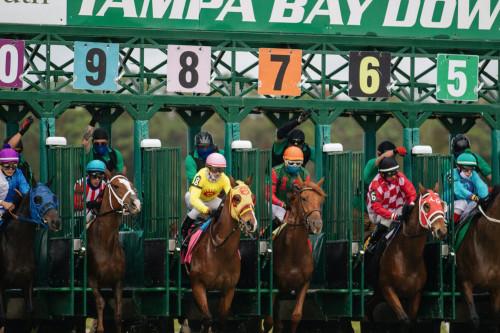
Looking ahead, the future of horse racing coverage in Australia will likely blend tradition with innovation. Virtual and augmented reality could allow fans to experience races from the jockey’s perspective, while data analytics and artificial intelligence may offer deeper insights into performance and strategy. Yet even as technology transforms the viewing experience, the essence of the sport remains unchanged: the anticipation at the starting gates, the surge of adrenaline as the horses thunder down the straight, and the shared excitement of the finish.
Media will continue to shape how Australians experience horse racing, but the heart of the sport – its speed, skill, and spirit – will always be what captures the imagination.
Læs også: