Understanding Race Types: The Key to Sharper Cycling Betting Tips


Understanding Race Types: The Key to Sharper Cycling Betting Tips
Cycling is a sport of endurance, tactics, and unpredictability. For anyone looking to give sharp betting tips, knowing the riders and teams is only part of the equation. A deeper understanding of the different race types is what truly separates casual observers from informed analysts. Each race type demands unique skills, strategies, and physical attributes — and recognising these nuances can make all the difference when placing a bet.
Stage Races: Endurance and Strategy Over Time
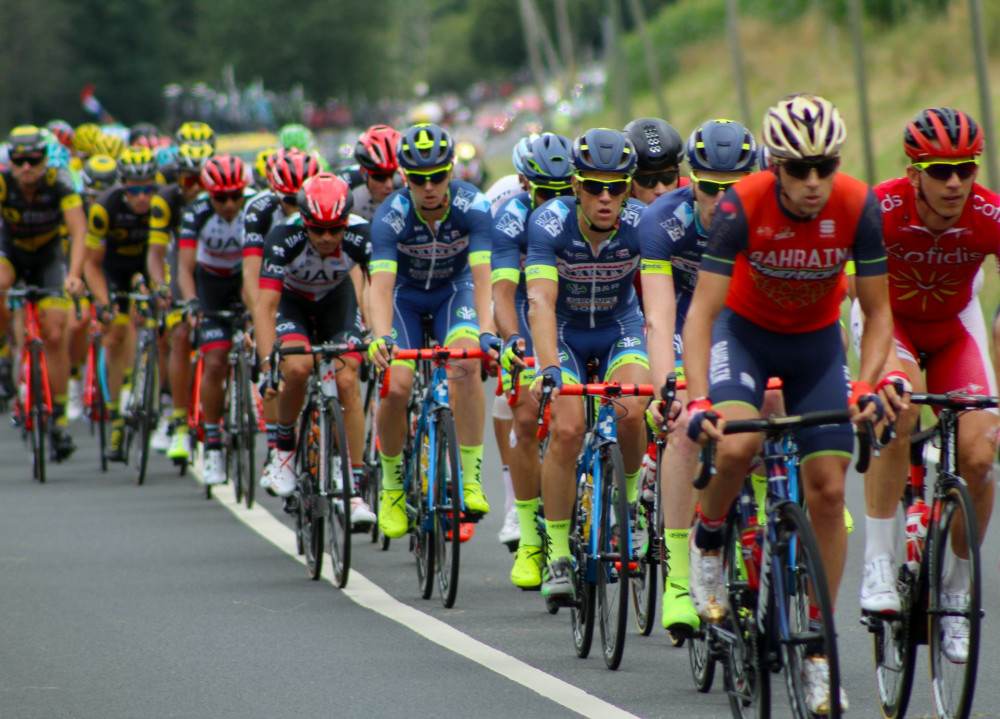
Stage races like the Tour de France, Giro d’Italia, and Vuelta a España unfold over several weeks, combining mountain stages, time trials, and flat sprint days. Betting on these events isn’t about a single day’s performance but about understanding long-term form, recovery, and team dynamics.
- General classification riders such as Tadej Pogačar and Jonas Vingegaard excel in the mountains and time trials. They’re consistent and rarely risk everything in a sprint.
- Sprinters like Jasper Philipsen or Sam Welsford target flat stages, where explosive power and positioning matter most.
- Breakaway specialists and riders from smaller teams often seize opportunities on medium mountain stages, where the favourites may hold back.
When analysing stage races, look at the overall race profile, the riders’ form trends, and how teams allocate their resources. A rider chasing the mountain classification will race differently from one focused on daily stage wins.
One-Day Races: Intensity, Tactics, and Timing
One-day races — the classics like Paris-Roubaix, Tour of Flanders, and Milan-San Remo — are cycling’s most unpredictable battles. There’s no second chance: one crash, puncture, or mistimed move can decide everything.
These races demand explosive strength, technical skill, and tactical awareness. Weather, terrain, and surface conditions play a huge role. Cobbles, short steep climbs, and crosswinds can all shape the outcome.
When preparing betting tips for one-day races, consider:
- Rider types – classics specialists such as Wout van Aert and Mathieu van der Poel thrive in tough, technical conditions.
- Weather – rain and wind favour resilient riders, while dry conditions can open the door for sprinters.
- Team tactics – strong teams can control the race, but chaotic finales often reward bold solo attacks.
Australia’s own spring classics, like the Cadel Evans Great Ocean Road Race, offer similar dynamics on local roads — unpredictable, tactical, and often decided by split-second decisions.
Time Trials: The Race Against the Clock
The time trial is cycling’s purest test of individual performance. It’s about aerodynamics, pacing, and mental focus. Riders race alone against the clock, and small details — wind direction, equipment, and start order — can make a big difference.
When assessing time trials, focus on:
- A rider’s past results in the discipline.
- Course length and terrain – technical courses suit riders with strong bike handling, while flat routes reward raw power.
- Weather and wind – changing conditions can significantly affect times, especially in long time trials.
Time trials tend to be more predictable than other race types, making them appealing for data-driven bettors who rely on performance metrics and historical trends.
Mountain Stages: Where the Big Gaps Open
The mountains are where legends are made — and where betting markets can shift dramatically. These stages test endurance, climbing ability, and tactical patience.
When analysing mountain stages, consider:
- Gradient and length – short, steep climbs favour punchy riders, while long, steady ascents suit pure climbers.
- Elevation gain and sequence – multiple climbs in succession can drain even the strongest riders.
- Team support – domestiques play a crucial role in pacing and protecting their leader.
Mountain stages also create opportunities for outsiders. Riders far down in the general classification often get the freedom to attack, and those breakaways can deliver high-value betting opportunities.
Race Knowledge as a Betting Tool
Understanding race types isn’t just about knowing the rules — it’s about predicting how riders and teams will respond under different conditions. A sprinter who struggles in the mountains might dominate a flat stage, while a climber who’s lost time in the overall standings could suddenly become a stage favourite.
By combining knowledge of race types with data on form, weather, and team tactics, you can build more accurate analyses — and sharper betting insights.
Læs også:




From Guesswork to Insight
Cycling betting rewards those who understand the rhythm of the sport. The more you know about the difference between a cobbled classic and an alpine stage, the better you can judge who’s truly in contention. It’s not about luck — it’s about insight, pattern recognition, and the ability to see beyond the obvious.
Læs også: