Young talents vs. seasoned stars – how do you rate the cycling race chances?

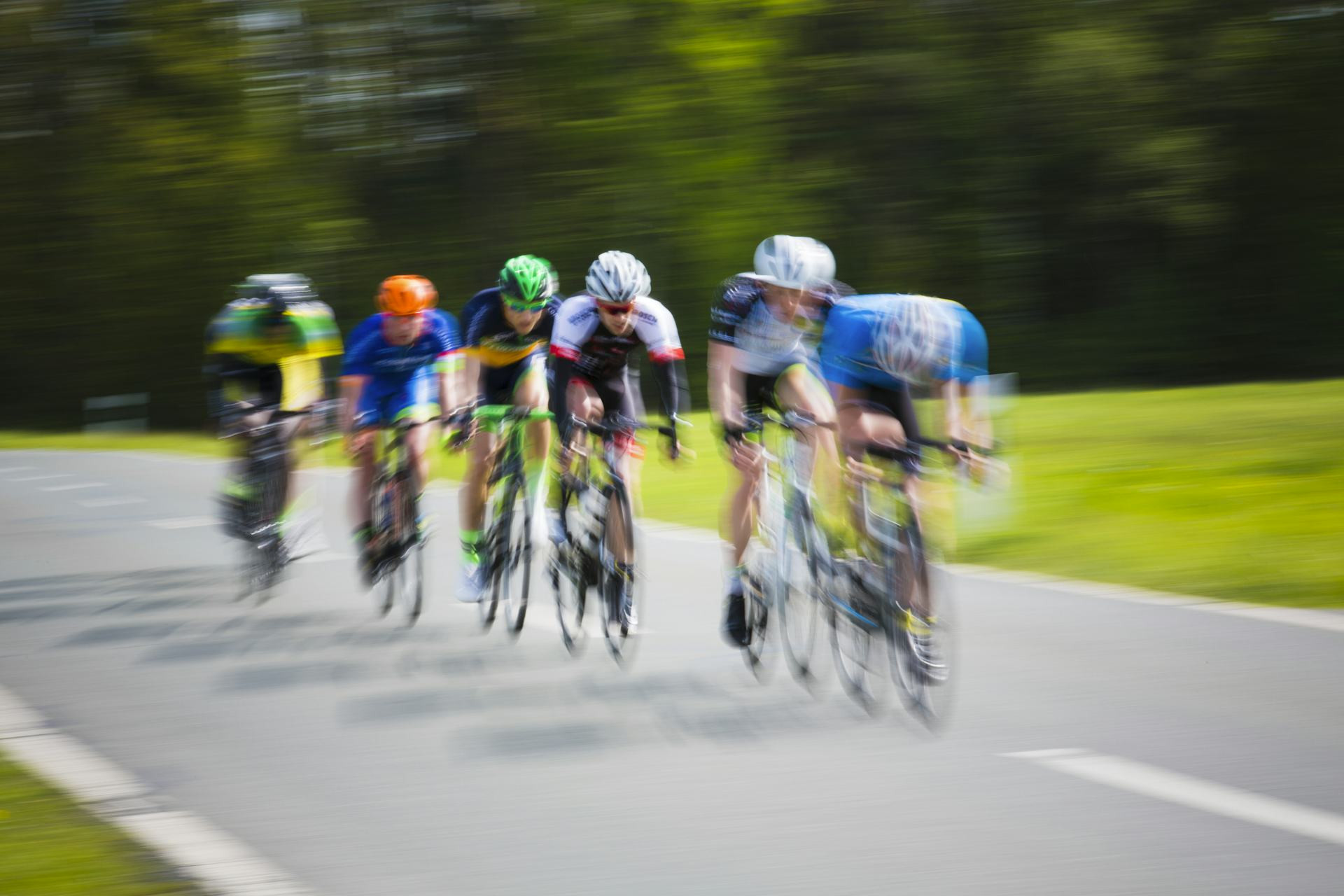
Young talents vs. seasoned stars – how do you rate the cycling race chances?
As the cycling season heats up and major races approach, the big question returns: who holds the upper hand – the fearless young guns bursting with energy, or the experienced veterans who know every trick in the book? In today’s peloton, the gap between generations is narrower than ever, but assessing their chances still requires a sharp eye for form, experience, and race type. Here’s a guide to how you can evaluate the field and predict who might come out on top.
Young riders: Energy, courage, and rapid growth
Young riders bring freshness and boldness to the race. They attack when others hesitate and often defy expectations with breakthrough performances. In recent years, riders barely out of their teens have claimed victories in both Grand Tours and one-day classics – something that once seemed impossible.
When assessing a young rider’s chances, consider these key factors:
- Form and progression: Young riders tend to improve quickly. Look at their recent results and how their performance has evolved through the season. A strong showing in smaller races can signal a major breakthrough ahead.
- Team dynamics: Young riders rarely start as team leaders. If the team has a clear captain, the youngster may serve as a support rider – but could also get a chance if the race unfolds unpredictably.
- Mental resilience: Inexperience can lead to tactical mistakes or poor energy management. Yet some young riders display remarkable composure, handling pressure like seasoned pros.
Young riders often shine in shorter stage races or classics, where explosiveness and daring moves are rewarded. In three-week Grand Tours, recovery and consistency remain their biggest challenges.
Læs også:

Experienced stars: Strategy, stability, and race craft
Veteran riders may have lost a touch of raw acceleration, but they make up for it with tactical intelligence and race management. They know when to conserve energy, how to read the peloton, and when to strike. In long stage races, experience often determines who still has strength left in the final week.
When evaluating an experienced rider’s chances, focus on:
- Race history: Has the rider performed well in this event before? Familiarity with the route, climbs, and local conditions can be decisive.
- Motivation and timing: Many older riders plan their season carefully to peak for one major race. Check their lead-up events to see if they’re building form at the right time.
- Team support: A veteran leader usually commands a strong team around them. That backing can make all the difference, especially in mountain stages or windy conditions.
Experienced riders also have a psychological edge: they know how to handle media attention, pressure, and the tactical mind games that unfold during a race. That steadiness often pays off when the competition tightens.
Race type determines the balance
Not all races reward the same qualities. In classics like Paris–Roubaix or the Tour of Flanders, young riders can surprise with aggressive racing, while Grand Tours such as the Tour de France or Giro d’Italia often favour endurance and experience.
- One-day races: Here, young riders can exploit their explosiveness and willingness to take risks. A well-timed attack can secure a career-defining win.
- Week-long stage races: A mix of youth and experience often works best. Form, recovery, and tactical awareness all play a role.
- Grand Tours: Experience and consistency usually prevail. But the new generation is learning fast – and with strong team support, they can challenge the old guard.
Data, form, and context – the keys to prediction
Modern cycling is more data-driven than ever. Power numbers, altitude profiles, and weather forecasts all shape how we assess a rider’s chances. But numbers don’t tell the whole story. Mental strength, race intuition, and teamwork can be just as decisive.
When analysing the contenders, ask yourself:
- Who has shown consistent form in recent weeks?
- Which team has the strength to control the race?
- Who has the motivation – and perhaps something to prove?
Often, it’s the combination of talent, experience, and timing that determines who stands on the podium.
The future of cycling: Generations converging
Cycling is in an era where generations overlap more than ever. Young riders adapt quickly, while older ones stay competitive longer thanks to advances in training and recovery. The result? Races that are more unpredictable – and more exciting to watch.
When you assess the chances in any cycling race, it’s not about choosing between youth and experience. It’s about understanding how their strengths interact. The smartest analysis looks at the whole picture – the rider, the team, the route, and the moment.
Læs også: